
Learning Hub
No more intimidating financial jargon. Learn investing the way it should be taught—clear, practical, and actually useful for real people with real money.
ETFs

Diversification In Real Life: How Many Funds Do You Actually Need?
More funds don’t always mean more diversification. Learn how a few broad ETFs can cover thousands of securities and when extra funds just add noise.
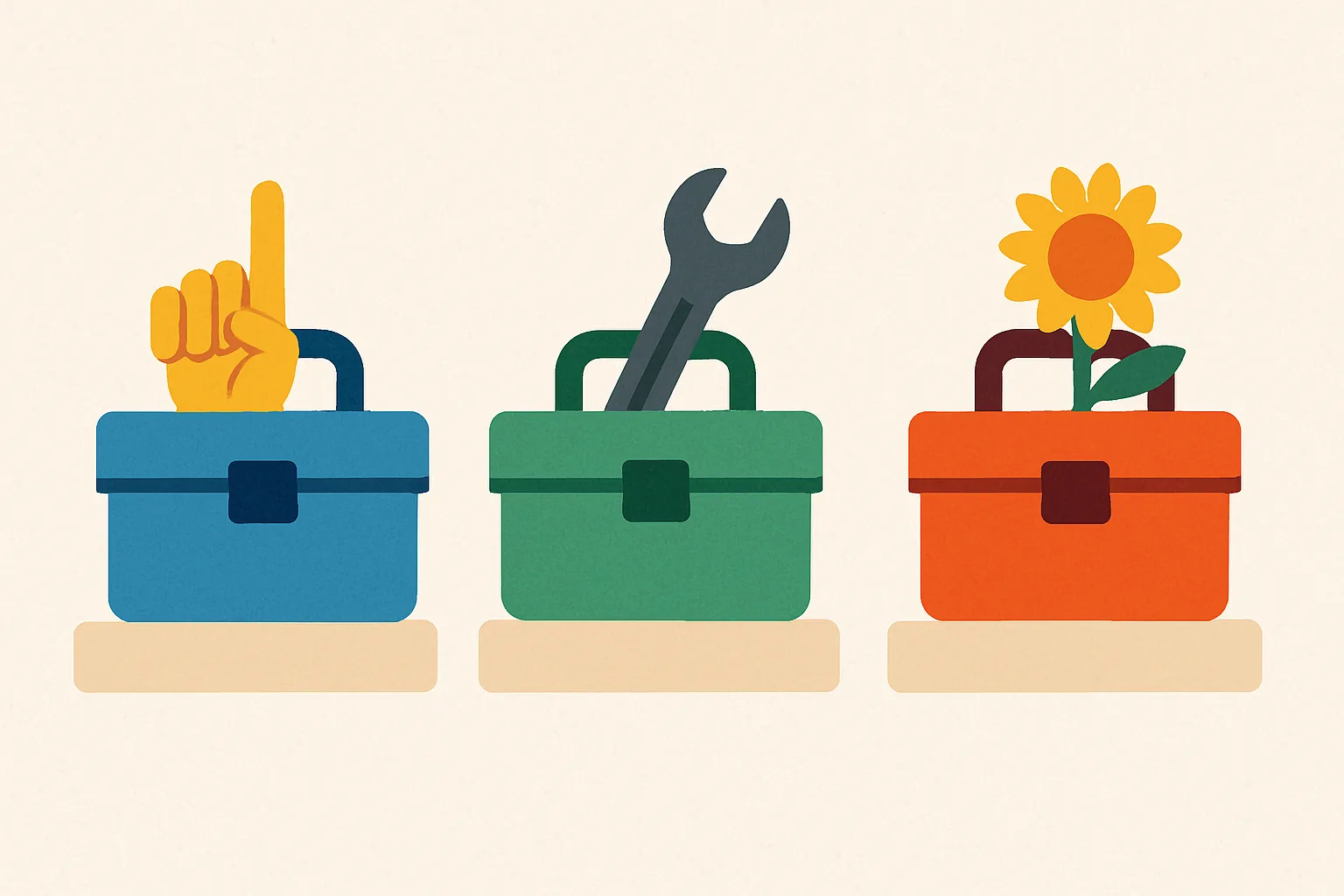
Index vs. Active vs. Themed ETFs: Choosing the Right Tool for the Job
Learn how index, active, factor, sector, and themed ETFs fit into a core–satellite portfolio so you can choose each type for the right role.
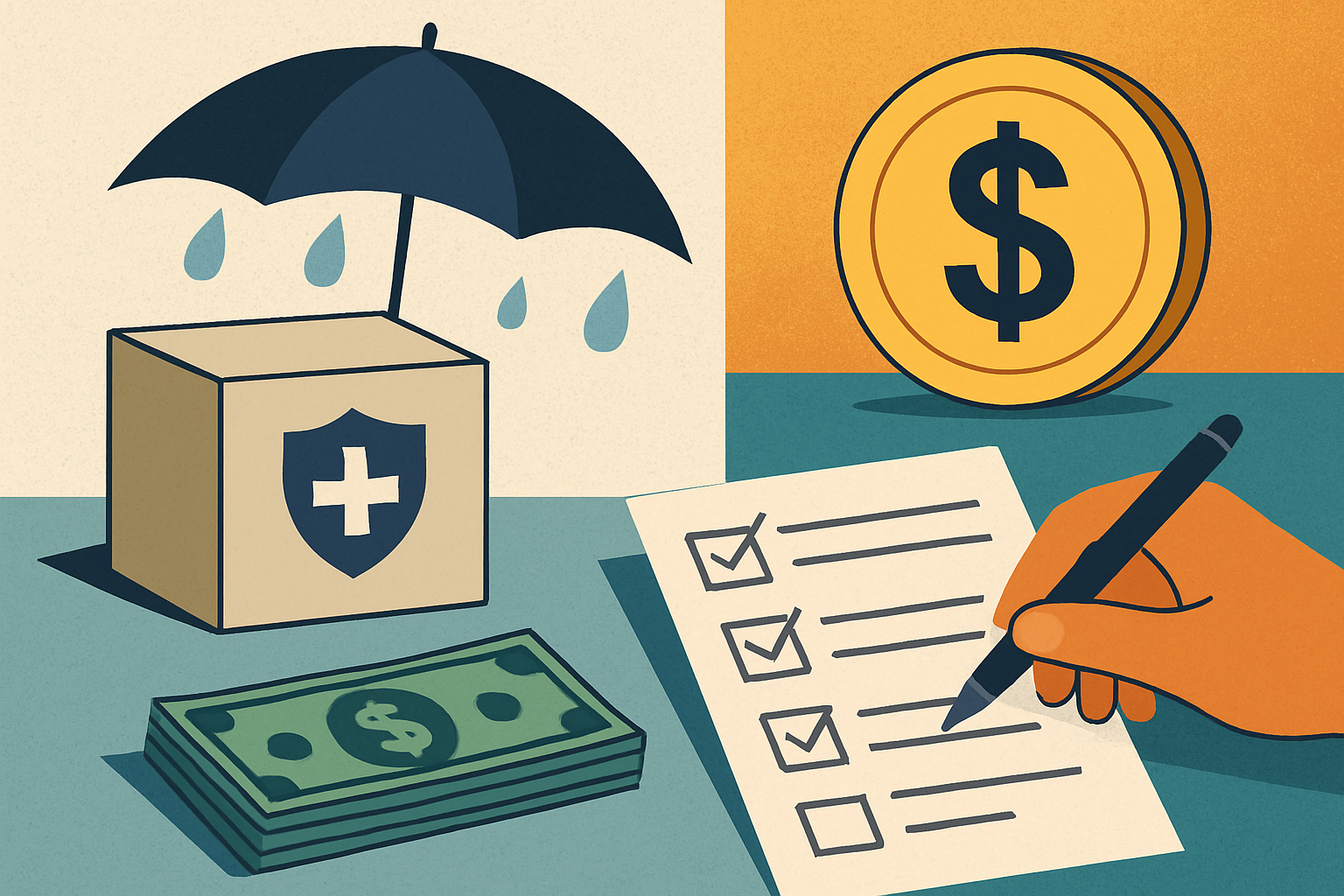
Before You Invest: Build Your Emergency Fund And Debt Game Plan
Before buying your first ETF, build a basic emergency fund and a clear debt plan. Balance safety, high-interest debt, and starting to invest with a simple checklist.
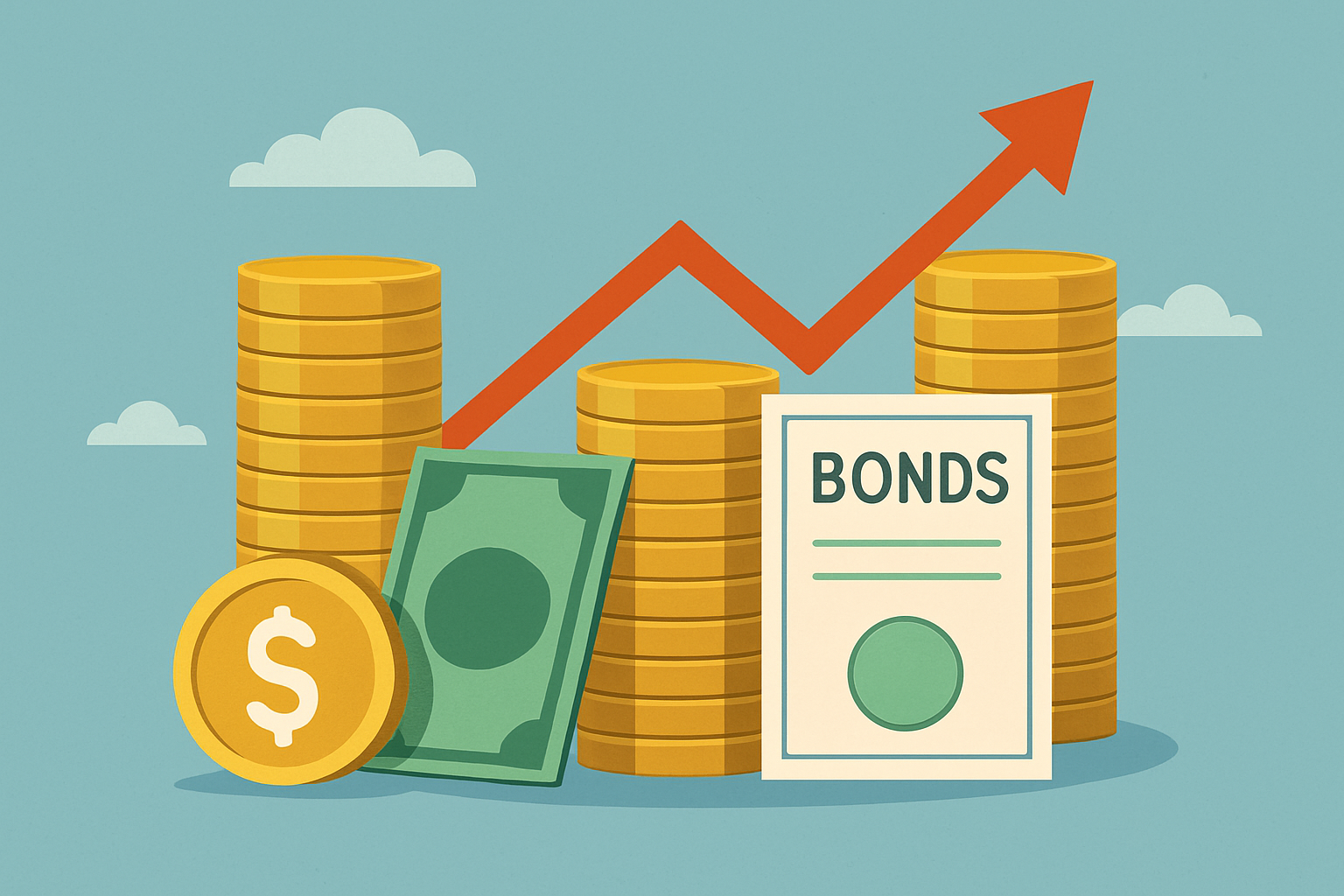
Your First Portfolio: From Cash To A Simple Mix Of Stocks And Bonds
New to investing? Learn how to go from all cash to a simple, diversified first portfolio using a basic mix of stock and bond ETFs, step by step.
ETF Fees: When Cheap is Smart… and When It’s Just Cheap
ETF fees seem tiny, but over decades they add up to tens of thousands lost. For plain-vanilla index funds, always go cheap (VOO beats SPY). For complex strategies like leverage or covered calls, higher fees can actually make sense — because you’re paying for financial engineering you couldn’t do alone. Think of fees as your ticket price: sometimes the cheapest seat is perfect, sometimes the VIP pass is worth it.
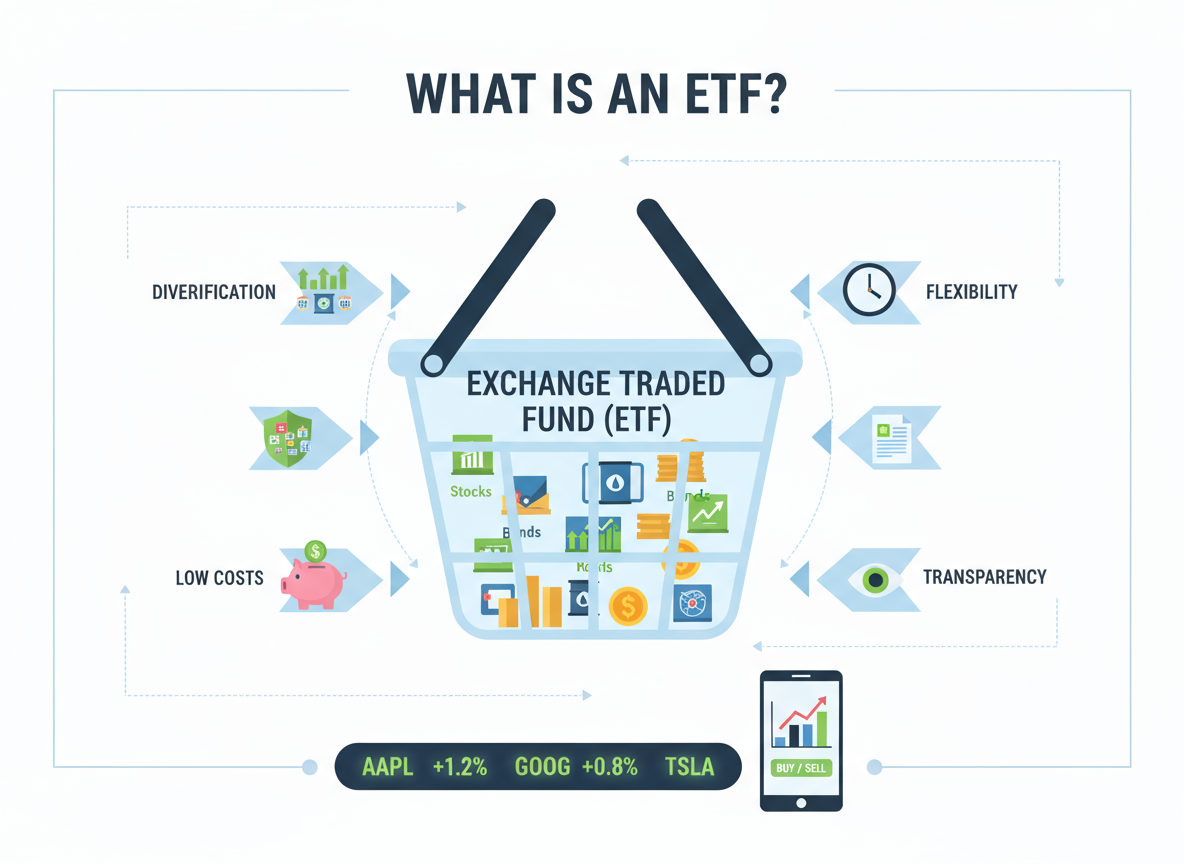
ETFs, Unlocked: What You Gotta Know
Stop gambling on single stocks like it's a lottery ticket. An ETF is basically a basket of investments—think Spotify playlist for your money. Instead of betting on one company, you instantly own a slice of hundreds or thousands. It's the easiest way to spread your risk without needing a finance degree.