
Emergency Fund vs. First Investment: A Readiness Checklist for Your First ETF
TL;DR
Quick Summary
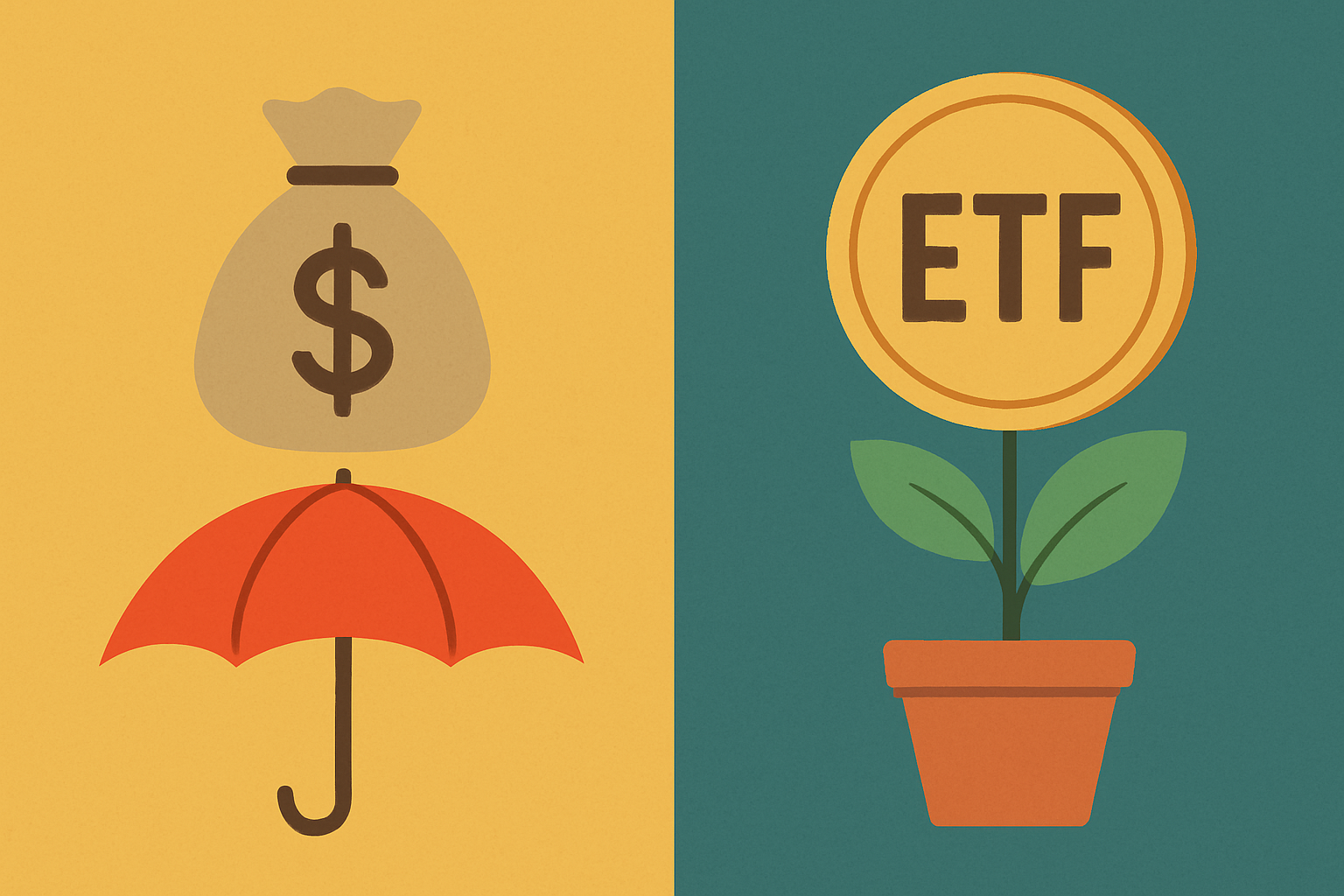
- Emergency funds are for short‑term surprises so you’re less likely to sell investments at a bad time.
- Use flexible targets (starter, solid, robust) tied to your personal risk factors instead of a single “right” number.
- Basic readiness: bills current, high‑interest debt managed or planned for, and at least a starter buffer in place.
- Once a minimum cushion exists, consider splitting new savings between growing the fund and small, regular investments while you learn.
You've reached your free daily article limit (1/1).
Create a free account to get unlimited access to all articles, market insights, and more.
Register for FreeAlready have an account? Sign in
Disclaimer: This article is for educational and informational purposes only and does not constitute investment, financial, legal, or tax advice. KAHROS is a financial media and technology company, and the Services, including any AI-generated content and articles, are provided for general information only. We are not a registered broker-dealer or investment advisor. Concepts discussed may not apply to your individual situation. You should consider your objectives and circumstances and consult a qualified professional before making any financial decisions. Please refer to our Terms of Service for more details.
Disclaimer: This article is for educational and informational purposes only and does not constitute investment, financial, legal, or tax advice. KAHROS is a financial media and technology company, and the Services, including any AI-generated content and articles, are provided for general information only. We are not a registered broker-dealer or investment advisor. Concepts discussed may not apply to your individual situation. You should consider your objectives and circumstances and consult a qualified professional before making any financial decisions. Please refer to our Terms of Service for more details.