
Connecting the Dots: Indexes, Index Funds, and ETFs in Your Account
TL;DR
Quick Summary
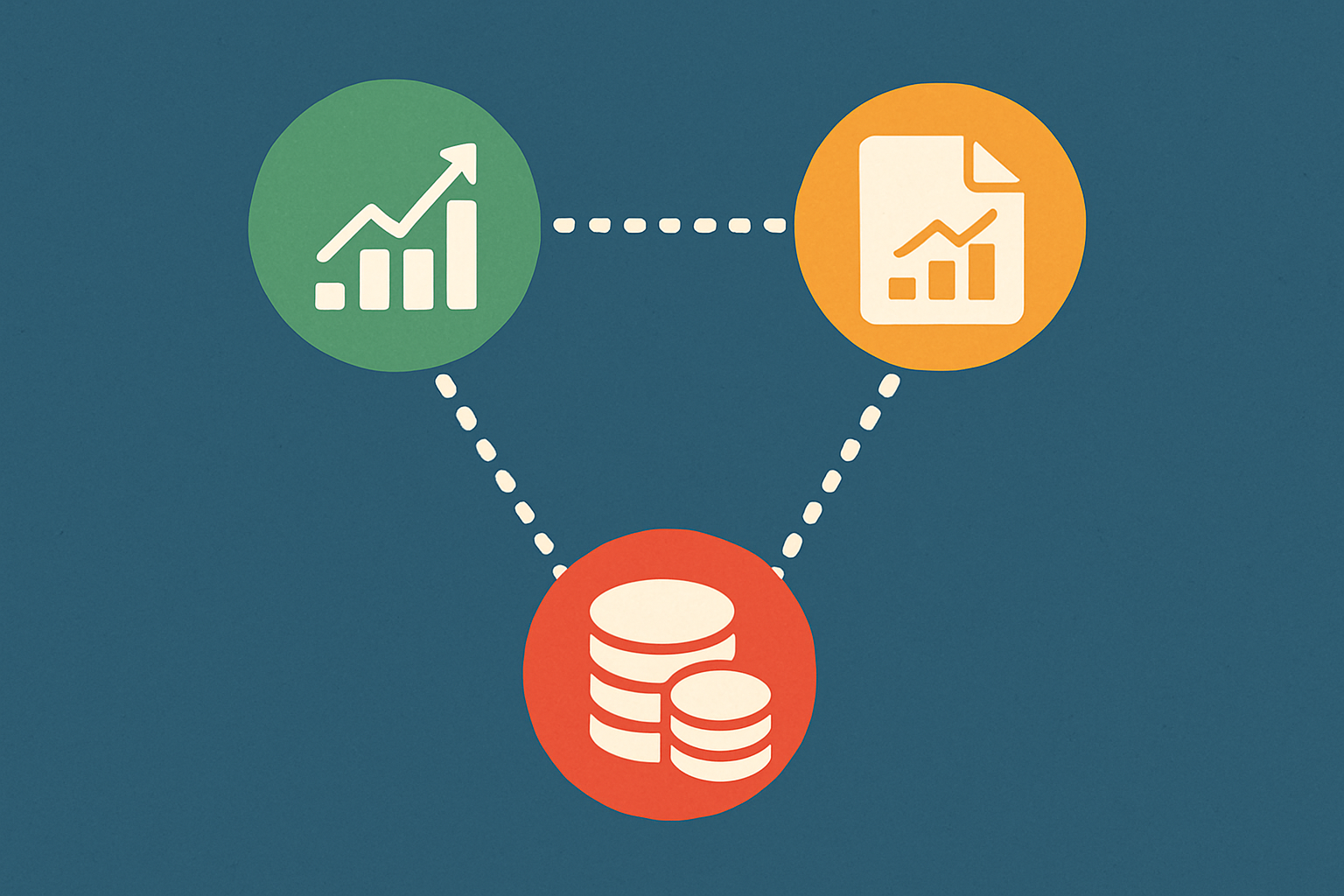
- Indexes are rules-based scorecards; they don’t hold securities.
- Index mutual funds and ETFs are vehicles that build portfolios to track those indexes.
- Funds tracking the same index can differ in fees, implementation, and trading costs, which can affect returns over time.
- Tracking error is the difference between a fund’s return and its index and is usually driven by fees, cash, and timing.
- Compare funds by benchmark, fees, tracking history, liquidity, and fit rather than brand alone.
You've reached your free daily article limit (1/1).
Create a free account to get unlimited access to all articles, market insights, and more.
Register for FreeAlready have an account? Sign in
Disclaimer: This article is for educational and informational purposes only and does not constitute investment, financial, legal, or tax advice. KAHROS is a financial media and technology company, and the Services, including any AI-generated content and articles, are provided for general information only. We are not a registered broker-dealer or investment advisor. Concepts discussed may not apply to your individual situation. You should consider your objectives and circumstances and consult a qualified professional before making any financial decisions. Please refer to our Terms of Service for more details.
Disclaimer: This article is for educational and informational purposes only and does not constitute investment, financial, legal, or tax advice. KAHROS is a financial media and technology company, and the Services, including any AI-generated content and articles, are provided for general information only. We are not a registered broker-dealer or investment advisor. Concepts discussed may not apply to your individual situation. You should consider your objectives and circumstances and consult a qualified professional before making any financial decisions. Please refer to our Terms of Service for more details.