

Compound Interest 101: Time, Contributions, and Returns Working Together
TL;DR
Quick Summary
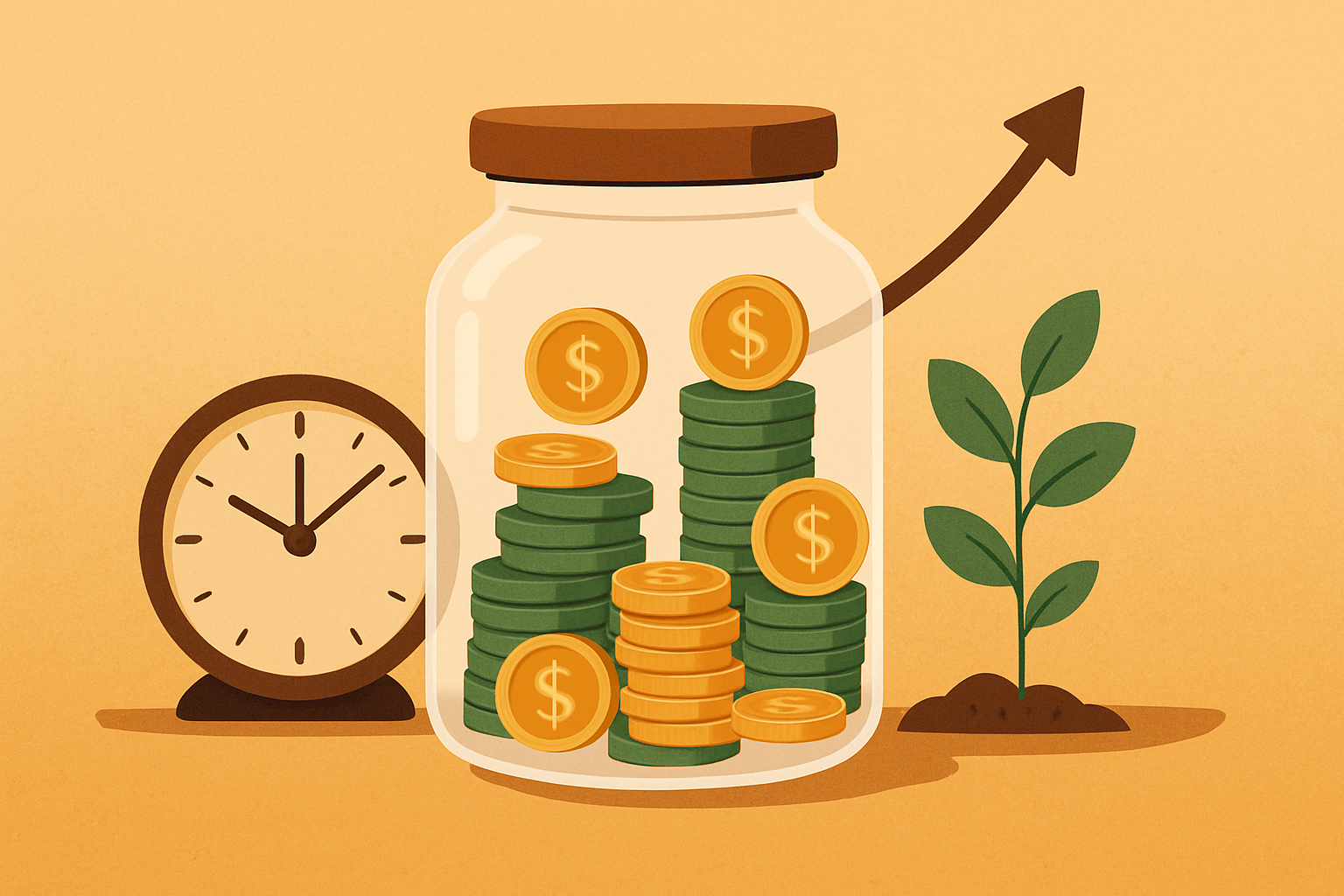
- Compound interest is returns-on-returns: time plus steady contributions makes growth curve upward.
- Your main levers are how much you contribute and how long you leave it invested; returns are uncertain.
- Early, regular contributions often beat later lump sums because they get more time to compound.
- Chasing higher returns increases risk and doesn’t guarantee better outcomes.
- Use a checklist—time horizon, contribution plan, consistency system, risk fit, and realistic expectations—to think clearly about compounding.
You've reached your free daily article limit (1/1).
Create a free account to get unlimited access to all articles, market insights, and more.
Register for FreeAlready have an account? Sign in
Disclaimer: This article is for educational and informational purposes only and does not constitute investment, financial, legal, or tax advice. KAHROS is a financial media and technology company, and the Services, including any AI-generated content and articles, are provided for general information only. We are not a registered broker-dealer or investment advisor. Concepts discussed may not apply to your individual situation. You should consider your objectives and circumstances and consult a qualified professional before making any financial decisions. Please refer to our Terms of Service for more details.
Disclaimer: This article is for educational and informational purposes only and does not constitute investment, financial, legal, or tax advice. KAHROS is a financial media and technology company, and the Services, including any AI-generated content and articles, are provided for general information only. We are not a registered broker-dealer or investment advisor. Concepts discussed may not apply to your individual situation. You should consider your objectives and circumstances and consult a qualified professional before making any financial decisions. Please refer to our Terms of Service for more details.