

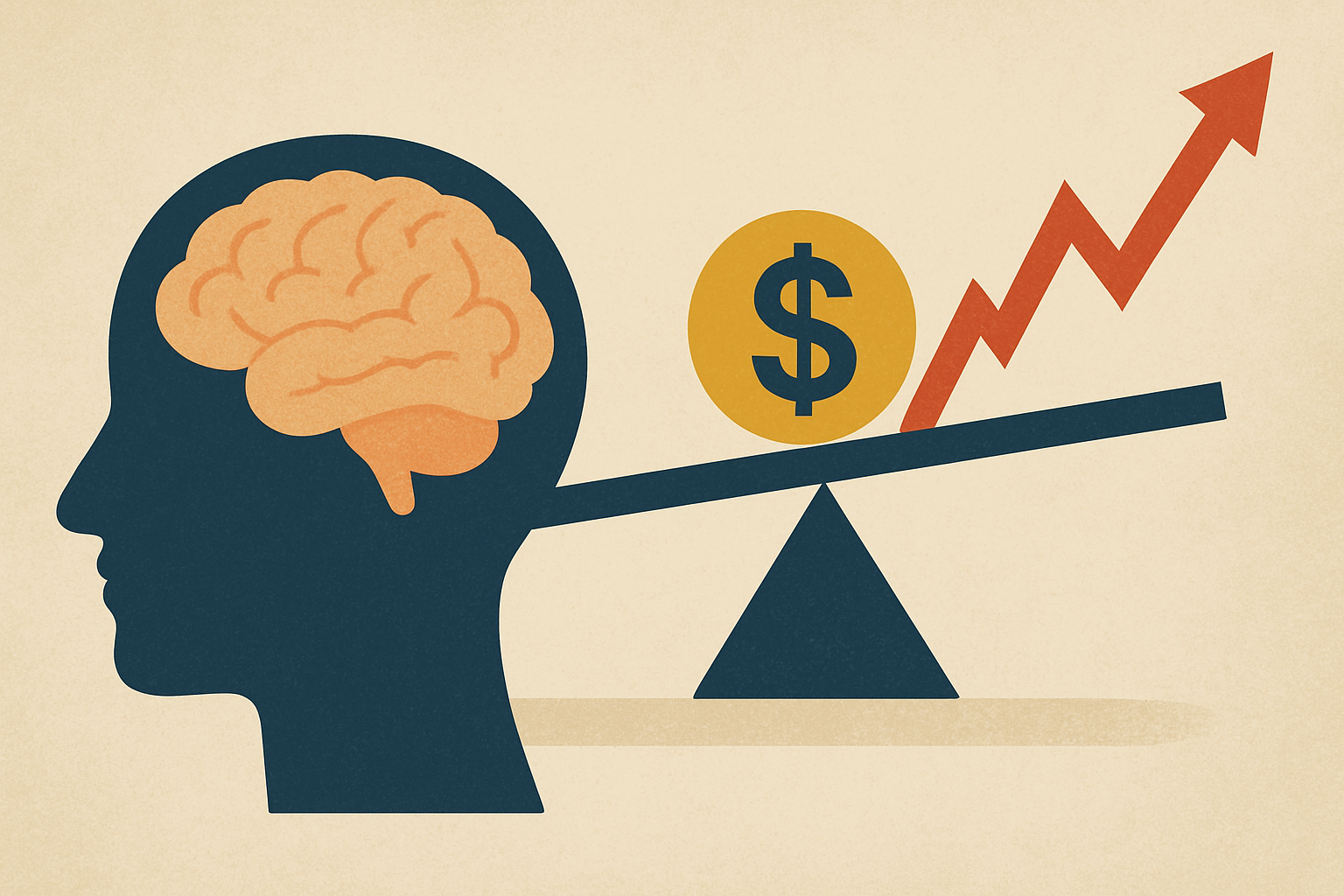
Beginner Risk Drills: Train Your Brain for Volatility
TL;DR
Quick Summary
- Volatility often produces strong emotional reactions that differ from intellectual understanding.
- Use a small real or paper portfolio to practice experiencing swings with low stakes.
- Journal short check-ins to track how you react over time.
- Run “what-if” scaling exercises to see how feelings change with size.
- Prepare a short script and a checklist to pause and respond more deliberately when markets wobble.
You've reached your free daily article limit (1/1).
Create a free account to get unlimited access to all articles, market insights, and more.
Register for FreeAlready have an account? Sign in
Disclaimer: This article is for educational and informational purposes only and does not constitute investment, financial, legal, or tax advice. KAHROS is a financial media and technology company, and the Services, including any AI-generated content and articles, are provided for general information only. We are not a registered broker-dealer or investment advisor. Concepts discussed may not apply to your individual situation. You should consider your objectives and circumstances and consult a qualified professional before making any financial decisions. Please refer to our Terms of Service for more details.
Disclaimer: This article is for educational and informational purposes only and does not constitute investment, financial, legal, or tax advice. KAHROS is a financial media and technology company, and the Services, including any AI-generated content and articles, are provided for general information only. We are not a registered broker-dealer or investment advisor. Concepts discussed may not apply to your individual situation. You should consider your objectives and circumstances and consult a qualified professional before making any financial decisions. Please refer to our Terms of Service for more details.